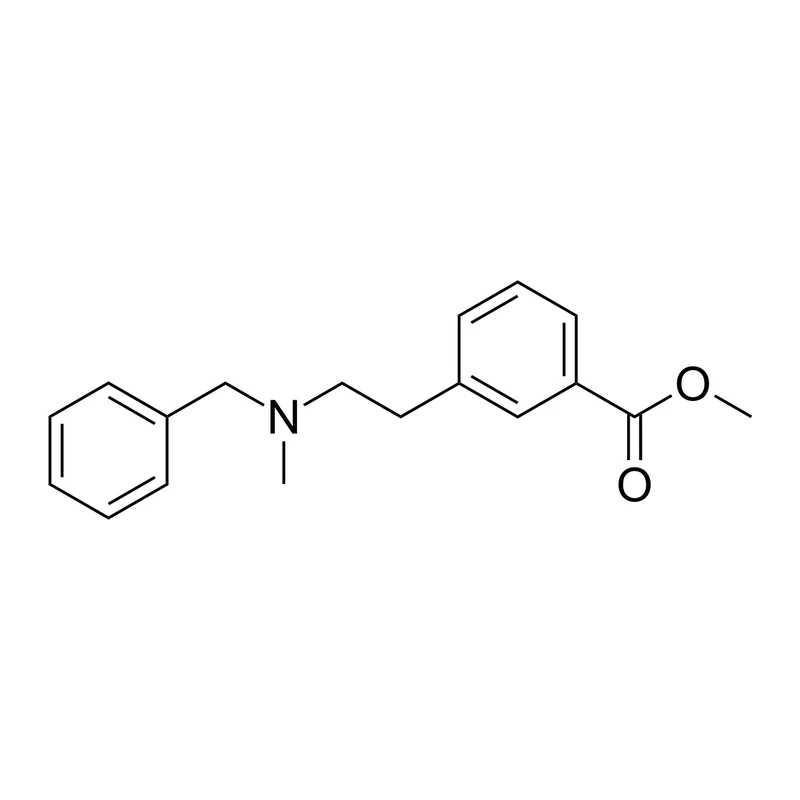
PRL-8-53 (methyl 3-(2-(benzyl(methyl)amino)ethyl)benzoate) is a synthetic benzamide derivative synthesized and investigated by Nikolaus Hansl in the 1970s. It is the only nootropic for which a double-blind, placebo-controlled human clinical result has been published showing memory improvements exceeding 100%.
Clinical Data (Hansl & Mead, 1978)
Study in 47 healthy volunteers, single oral dose. Task: learning and recall of word series tested 24 hours later. Results:
– Overall group: 108–152% improvement in recall versus placebo
– Low-baseline subgroup (high-deficit learners): improvement up to 350–375%
– High-baseline subgroup: less pronounced effect
The effect was measured at 24-hour follow-up — indicating impact on memory consolidation rather than short-term retrieval only.
Mechanism of Action
The precise mechanism is unknown. Pharmacological screening suggests possible involvement of cholinergic and dopaminergic systems, with potential serotonergic interaction. No further clinical studies have been published.