UK RU EN
Shopping Cart
← Catalog Fasoracetam powder (NS-105)
Rare In Stock

Fasoracetam powder (NS-105)

C₁₀H₁₆N₂O₂
$15.00
1
CAS № 110958-19-5
PubChem CID 198695
Purity ≥98%
Category Racetams
Description
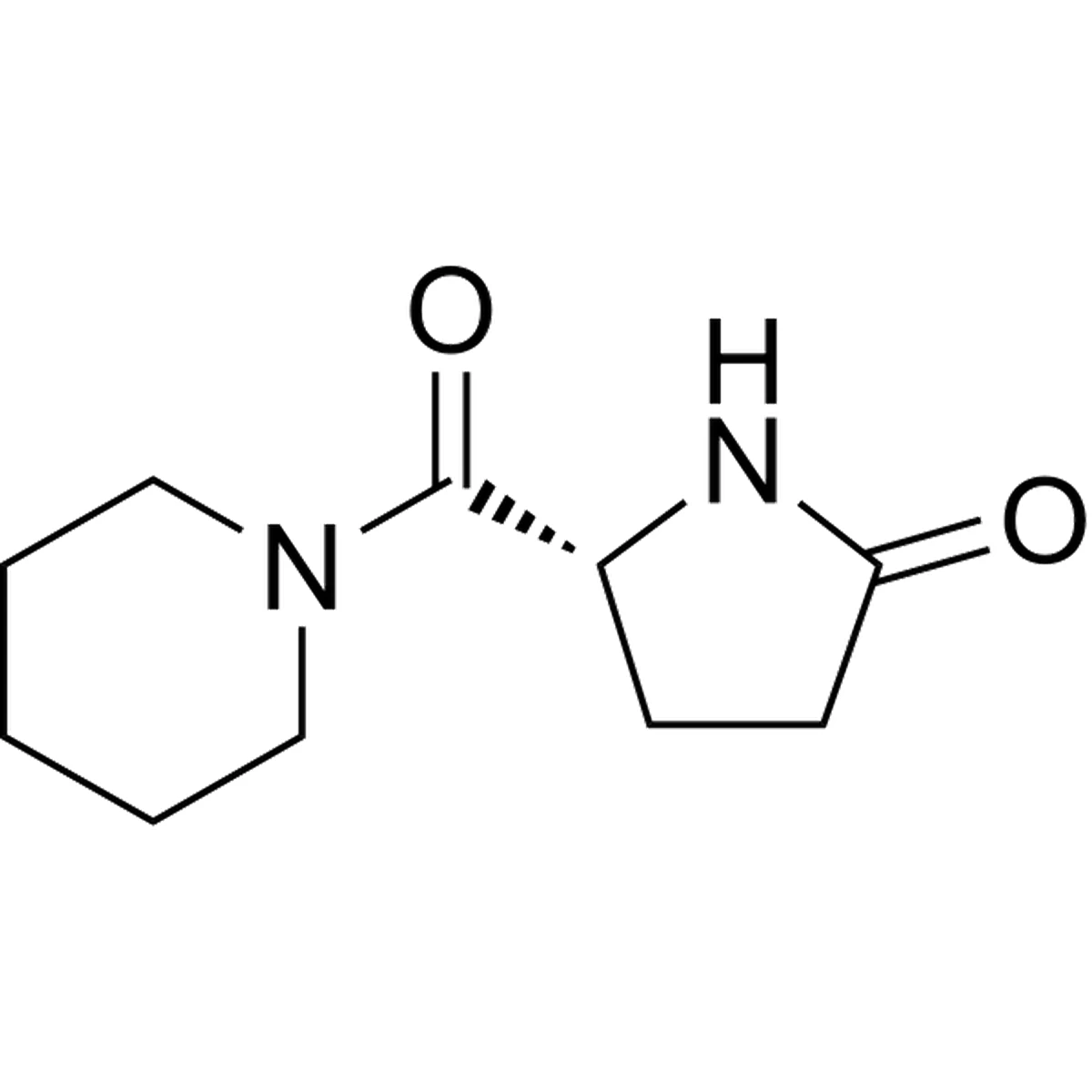
Fasoracetam (NS-105, NFC-1, LAM-105) is a synthetic racetam originally developed by Nippon Shinyaku as a nootropic and cognitive enhancer. Structurally it is (5R)-5-(piperidine-1-carbonyl)pyrrolidin-2-one — a chiral compound with the pyrrolidinone core characteristic of the racetam class and a piperidine amide side chain. It is the only racetam with documented GABA-B activity.

Mechanism of Action — Three Targets

1. mGluR I/II/III (Glutamate System)
Fasoracetam is a non-selective agonist of all three classes of metabotropic glutamate receptors. Key molecular mechanism: activation of mGluR II (mGluR2/3) inhibits forskolin-stimulated cAMP formation via Gi/Go proteins — detectable at concentrations as low as 10⁻⁸ M. mGluR II and III are located presynaptically — they are negative-feedback autoreceptors, analogous to D2/D3 autoreceptors in dopaminergic neurons. When fasoracetam activates them, the neuron receives a "that\'s enough" signal and reduces glutamate release — an anti-excitotoxic effect without receptor blockade. Postsynaptic mGluR I modulates synaptic plasticity. Mutations in mGluR network genes (GRM1, GRM5, GRM7, GRM8) in ADHD patients are the precise molecular target of the NFC-1 clinical approach.

2. GABA-B Receptors
With repeated dosing, fasoracetam upregulates GABA-B receptor density in the cerebral cortex without altering receptor affinity. In rat studies (Shimidzu et al., 1997) it significantly reduced immobility in the forced swim test and reversed escape failures in the learned helplessness paradigm — an antidepressant-like effect achieved without monoamine reuptake inhibition. GABA-B upregulation may also help restore receptor density following prolonged use of GABAergic substances.

3. Cholinergic System (HACU)
Fasoracetam enhances high-affinity choline uptake (HACU) — the active transport of choline into cholinergic neurons of the cortex and hippocampus. More choline → more acetylcholine synthesis → stronger cholinergic signaling underlying learning and memory consolidation. Additionally, a direct increase in acetylcholine release in the cerebral cortex has been observed.

Importantly, fasoracetam does not affect dopamine, noradrenaline, or adrenaline levels, and does not bind to β-adrenoceptors, 5-HT2 receptors, or dopamine receptors.

Clinical Data
Fasoracetam completed phase IIb/III clinical trials for ADHD in adolescents with mGluR network gene variants. In Elia et al. (Nat. Med. 2012) and follow-up studies, patients carrying confirmed variants in mGluR genes (GRM1, GRM5, GRM7, GRM8, etc.) showed statistically significant improvement in ADHD symptoms on the Conners' Rating Scale. This represents the first precision-medicine approach in neuropsychiatry based on genetic targeting of the mGluR pathway.

Pharmacokinetics
High oral bioavailability; T½ ≈ 4.06–6.99 h (mean 4.82 h). Eliminated predominantly by renal excretion unchanged (~90% in rats and monkeys). Minimal hepatic metabolism; chronic administration does not affect cytochrome P450 enzymes. Freely soluble in water (39 mg/mL), DMSO, methanol, and ethanol.

Physicochemical Properties
Molecular weight: 196.25 g/mol. Appearance: white crystalline powder. Melting point: 52–57°C (anhydrate; monohydrate form is higher). Soluble in water, DMSO, methanol, and ethanol.

Storage
Room temperature in a dry, dark place for short-term storage (up to 3 months). For long-term storage: +4°C or −20°C in an airtight container protected from moisture and light.