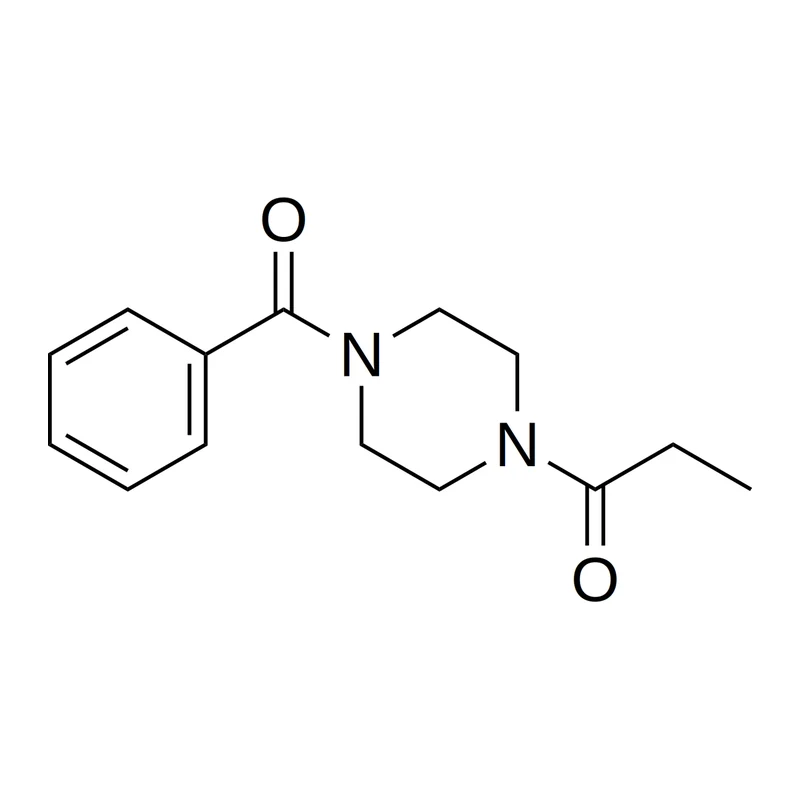
Sunifiram (DM-235) is a synthetic ampakine, a structural analog of unifiram (DM-232).
Mechanism: increases extracellular glycine/D-serine concentration in the synaptic cleft via stimulation of presynaptic release, saturating the glycine co-agonist site of the NMDA receptor. This increases the efficiency of glutamate-driven NMDA channel opening and increases Ca2+ influx. The Ca2+ influx activates CaMKII and PKCα, which phosphorylate AMPA receptors, enhancing AMPA-mediated transmission and promoting LTP in the hippocampus.
Radioligand binding screens show no affinity for glutamate, GABA, serotonin, dopamine, adrenergic, histamine, opioid, or acetylcholine receptors; no direct AMPA PAM activity either — the effect on AMPA is indirect, via the cascade described above.
In rat cortical slices — increased ACh release without direct binding to cholinergic receptors. In the hippocampus — full restoration of fEPSP amplitude suppressed by scopolamine/neurotoxins.
In the passive avoidance test, blocks amnesia induced by scopolamine, MeCAM, and NBQX. Reverses barbiturate-induced inhibition of glucose transport in human erythrocytes (Ki ≈ 26 µM); likely not the main mechanism of action.
Effective doses in mouse behavioral screens: 0.01–0.1 mg/kg — roughly 3–4 orders of magnitude lower than piracetam (hundreds of mg/kg) in the same tests; no acute signs of toxicity observed. Data are preclinical.